Looking for a great holiday gift for someone special? How about a present that will take them back to their beloved Bald Head Island all year long with a print, a book, jewelry, or a piece of artwork from Islands Art & Bookstore!
Our Top Picks for Bald Head Island
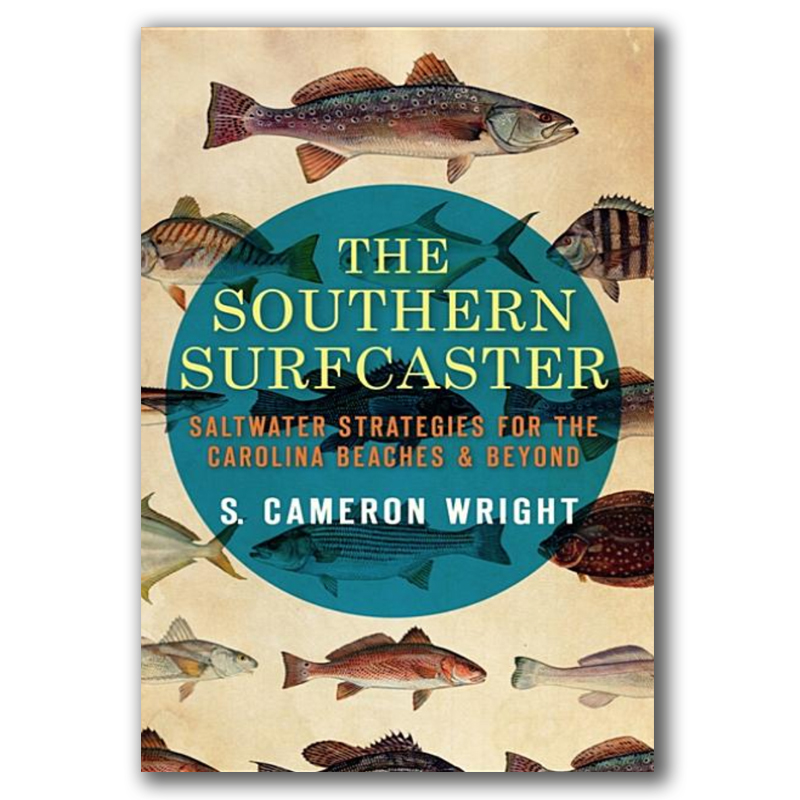
The Perfect Fishing Guide Book
Explore creative techniques and the latest strategies that have transformed the sport over the last decade. Many of the old-school methods of fishing are updated for modern practicality. The Southern Surfcaster will change the way you think and what you thought you knew about saltwater fishing.
$16.99

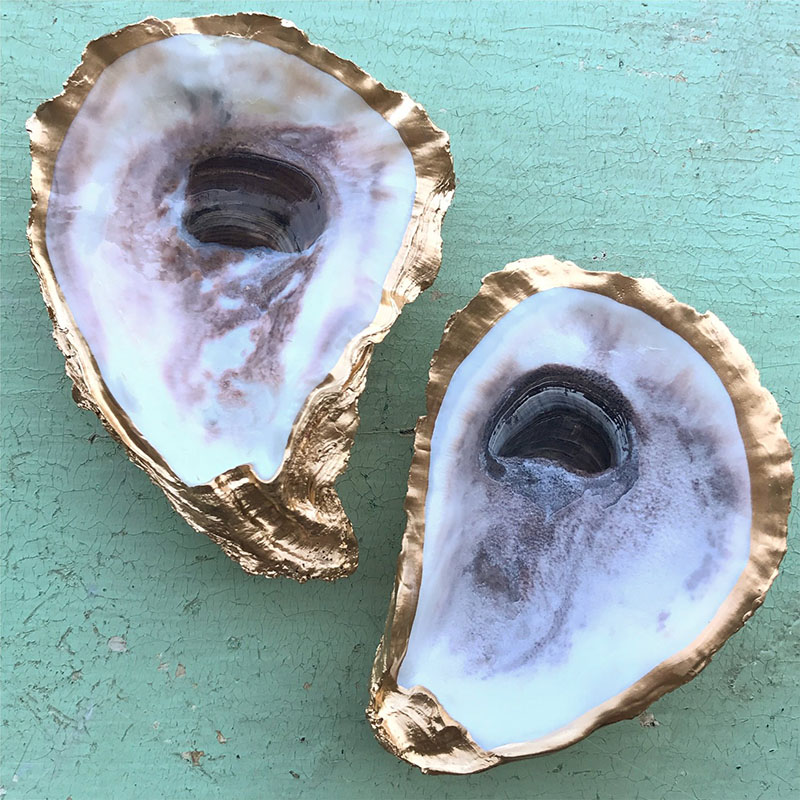
Golden Oyster Dish Jewelry Catchall
This Oyster Dish was handpicked out of the bays of the Carolina Coast for its natural beauty. This dish makes a perfect holder for jewelry, soap, or even salt and pepper. Enjoy!
$24
Shelling Guide
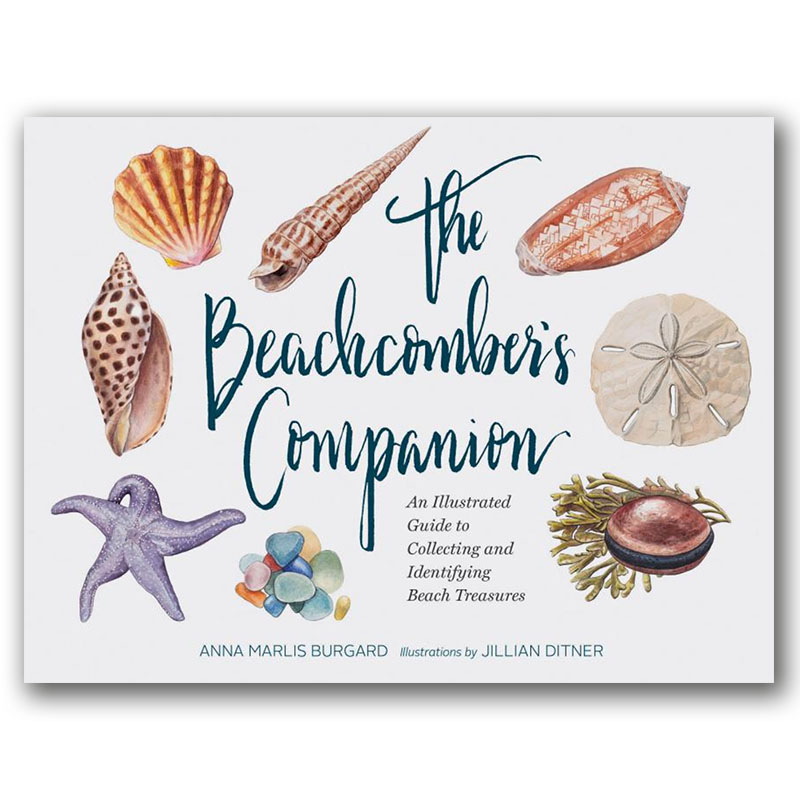
The Beachcomber’s Companion is a charming illustrated guide to collecting and identifying shells and other coastal treasures. Each of the entries includes fascinating descriptions, fun tidbits, and detailed artwork that makes it easy for readers to identify their own beach discoveries.
$16.95
Print by North Carolina Artist Ivey Hayes
Beautiful, vivid prints depicting the Bald Head Island Lighthouse printed on high-quality paper. Various Standard Sizes available.
$9.95-$54.95


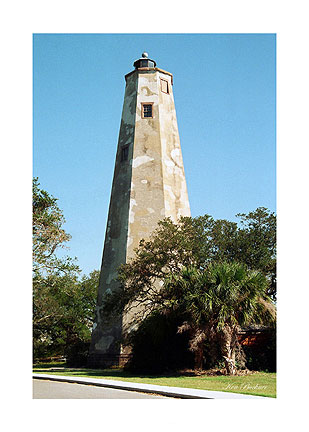
Photo of the Lighthouse
Giclée Print by nationally renowned local nature photographer and artist, Ken Buckner.
All photos are signed and titled digitally and reproduced as high-quality Giclées. A grey mat is printed around the image. All prints fit standard frames.
$9.95-$79.95
History of Bald Head Island
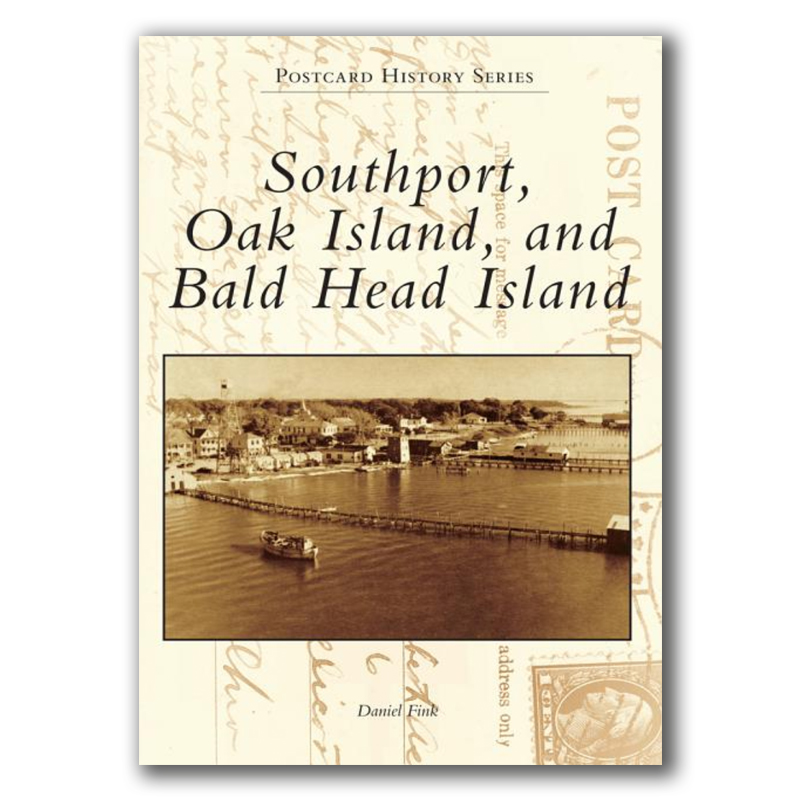
History abounds in this area, settled by the Smith brothers in the late 1700s. A century later, Fort Caswell was built on Oak Island and used for Confederate defense. Two of North Carolina’s historic lighthouses grace the beaches of the area. “Old Baldy” was built in 1817 in a unique octagonal shape. On Oak Island, the lighthouse is modern yet beautiful; it was completed in 1958. Today, the area is a popular destination for tourists who enjoy the plentiful live oaks, fishing, and the waterfront park of Southport.
$21.99
Bald Head Island Map
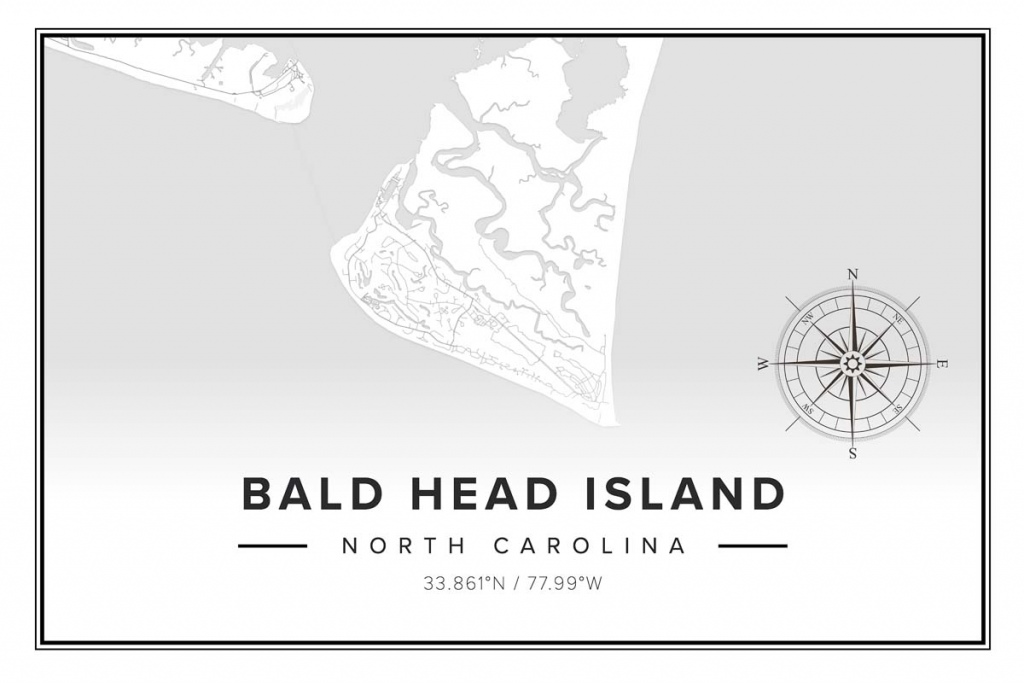
Geographical Map showing the topological view of Bald Head Island North Carolina in a stylized view, complete with latitude and longitude coordinates. Available in several sizes.
$36.95-$79.95
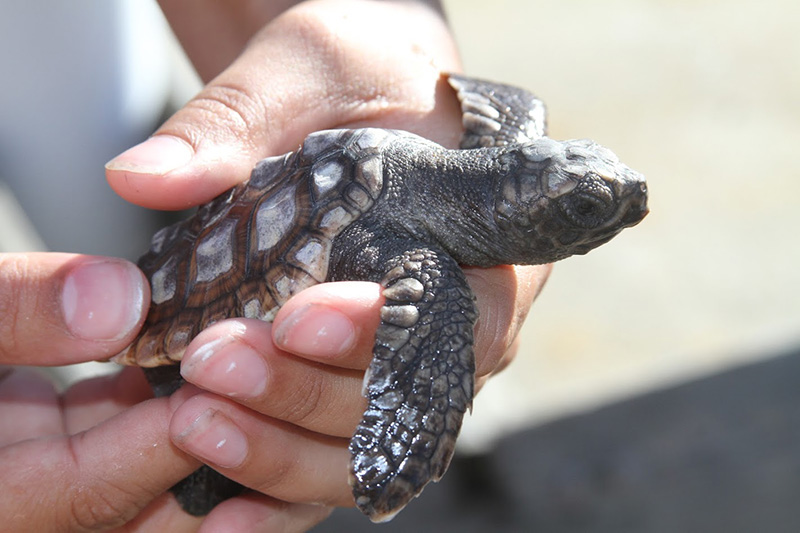
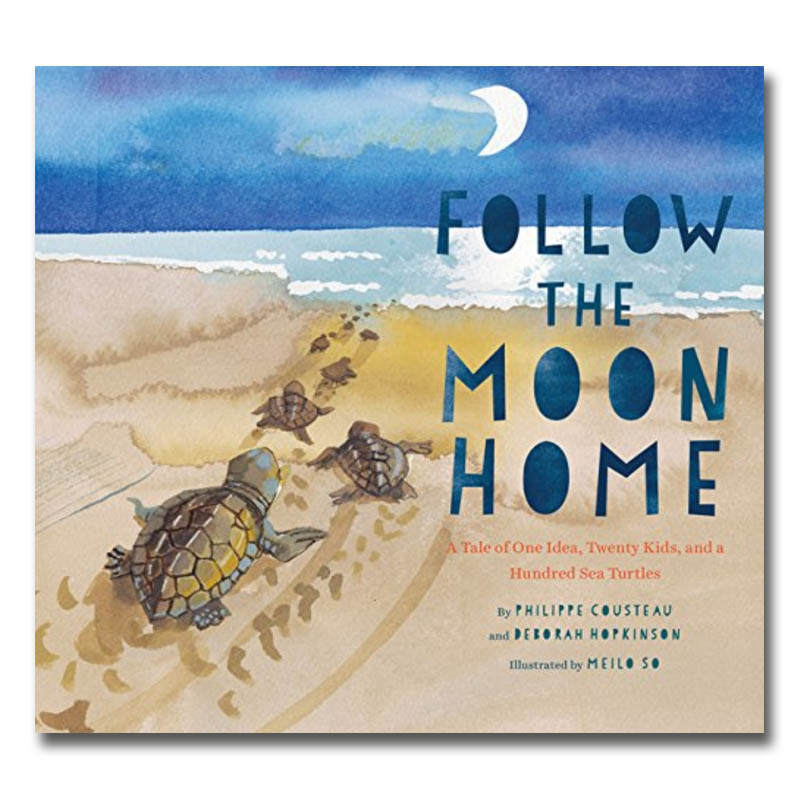
A Sea Turtle Tale for the Kids
Acclaimed activist Philippe Cousteau and renowned author Deborah Hopkinson team up to offer a story of the powerful difference young people can make in the world. Meet Viv, who has a new home and a new school by the sea, and follow her as she finds her way in a new place and helps bring together a whole community to save the sea turtles of the Carolina coast.
$16.99
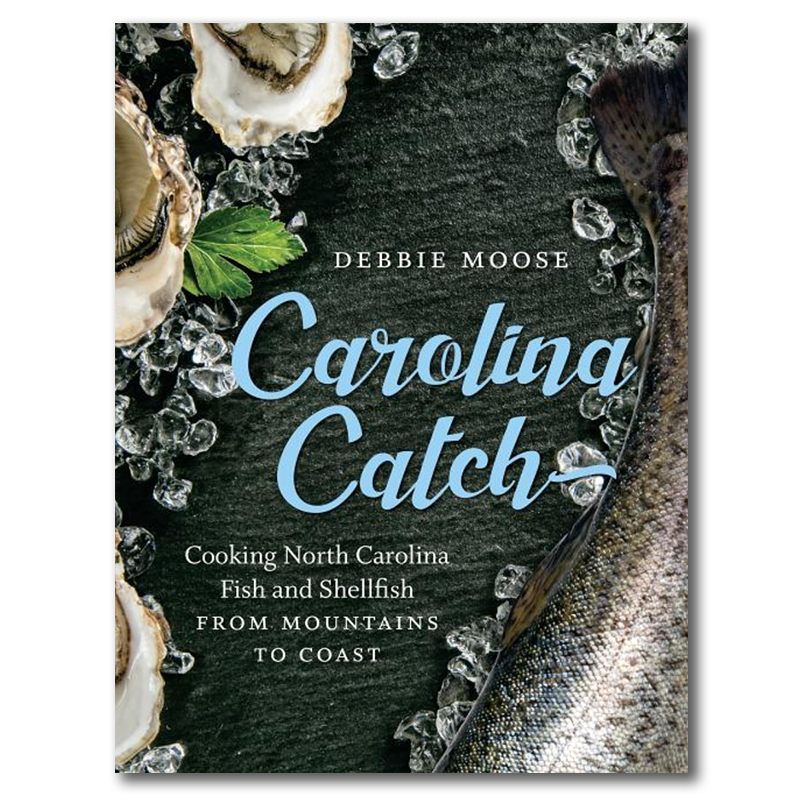
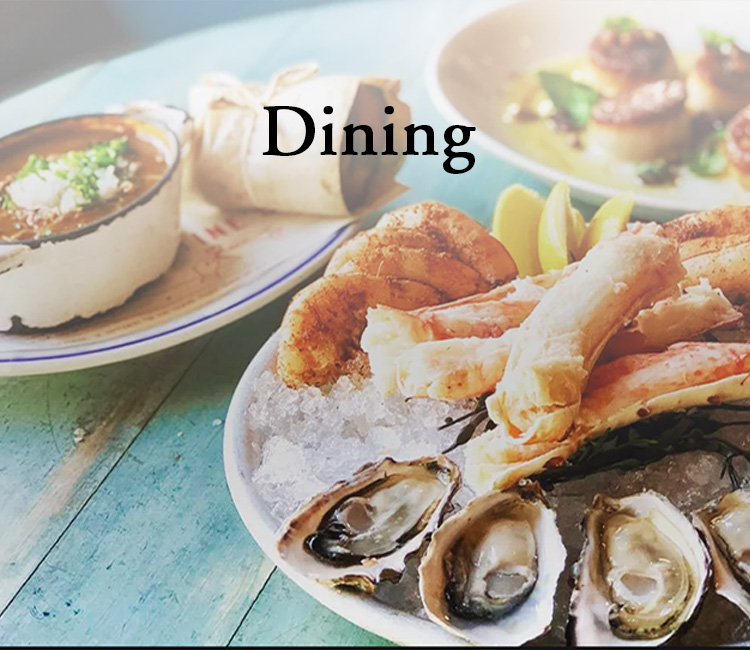
Carolina Seafood Cookbook
Unlock the fresh tastes of North Carolina grilled tuna, steamed shrimp, pan-seared mountain trout, fried catfish, and baked littleneck clams, to name just a few of the culinary treasures sourced from the waters of a state that stretches from the mountains to the sea. In ninety-two dishes, Moose shows how to prepare North Carolina fish and shellfish–freshwater, saltwater, wild-caught, and farmed–in both classic southern and inventive, contemporary ways.
$35.00
Sea Glass Jewelry
Give a gift from the sea this year with beautiful sea glass found on the Carolina Coast. Accented with gold, these pieces are perfect for layering together for a casual chic vibe. Chain and all components are 14kt gold-filled, and rimmed sea glass is 14kt gold.
Bracelet shown $88


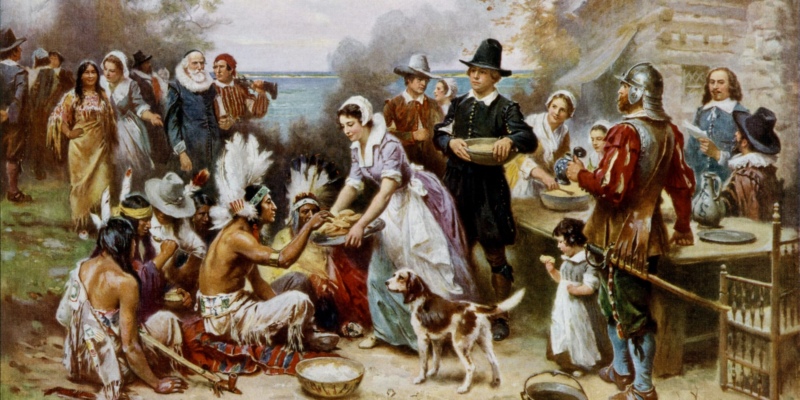

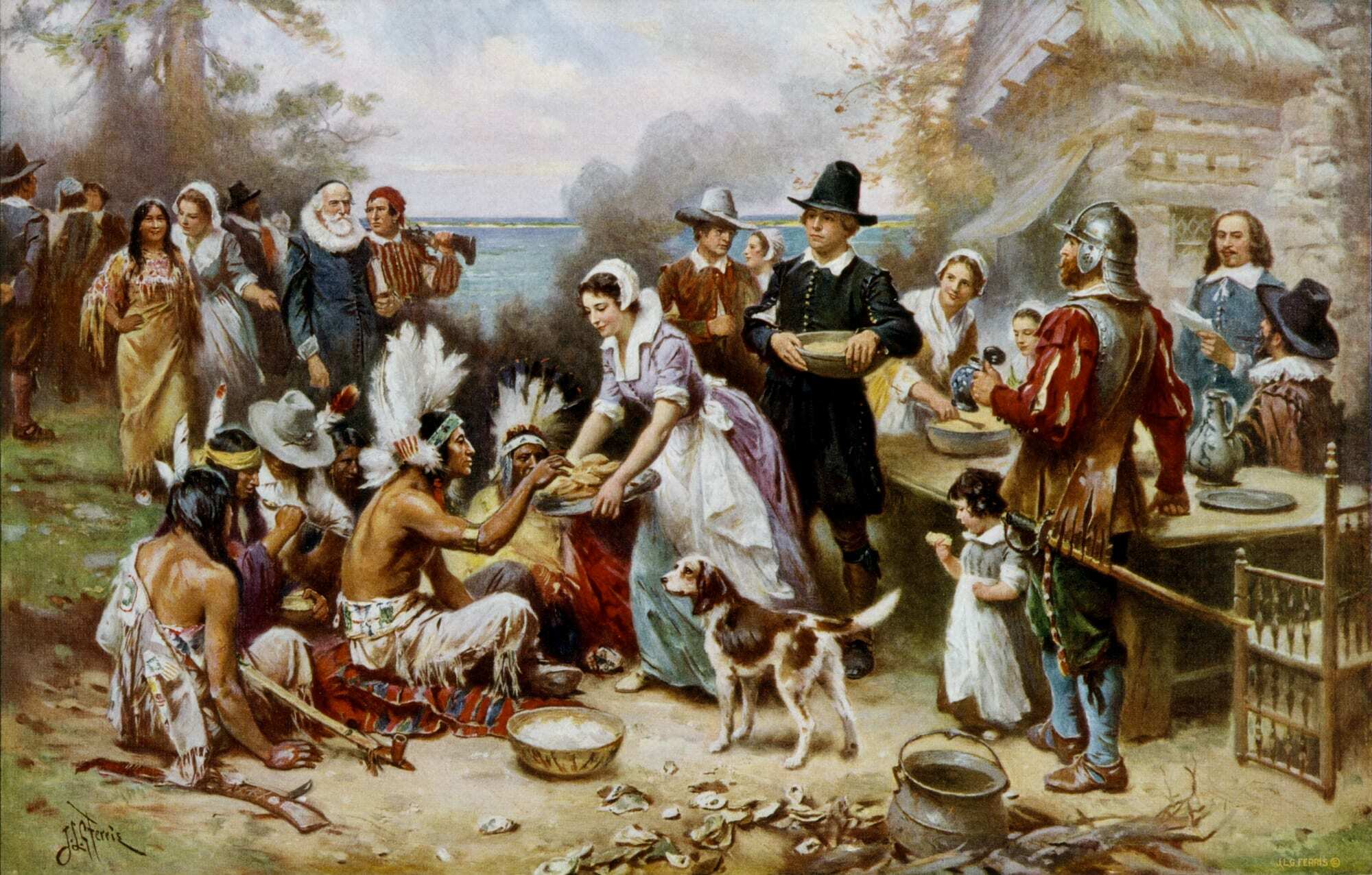 Throughout that first brutal winter, most of the colonists remained on board the ship, where they suffered from exposure, scurvy, and outbreaks of contagious disease. Only half of the Mayflower’s original passengers and crew lived to see their first New England spring. In March, the remaining settlers moved ashore, where they received an astonishing visit from an Abenaki Native American who greeted them in English. Several days later, he returned with another Native American, Squanto, a member of the Pawtuxet tribe who had been kidnapped by an English sea captain and sold into slavery before escaping to London and returning to his homeland on an exploratory expedition. Squanto taught the Pilgrims, weakened by malnutrition and illness, how to cultivate corn, extract sap from maple trees, catch fish in the rivers and avoid poisonous plants. He also helped the settlers forge an alliance with the Wampanoag, a local tribe, which would endure for more than 50 years and tragically remains one of the sole examples of harmony between European colonists and Native Americans. In November 1621, after the Pilgrims’ first corn harvest proved successful, Governor William Bradford organized a celebratory feast and invited a group of the fledgling colony’s Native American allies, including the Wampanoag chief Massasoit. Now remembered as American’s “first Thanksgiving”—although the Pilgrims themselves may not have used the term at the time—the festival lasted for three days. While no record exists of the first Thanksgiving’s exact menu, much of what we know about what happened at the first Thanksgiving comes from Pilgrim chronicler Edward Winslow, who wrote: “Our harvest being gotten in, our governor sent four men on fowling, that so we might after a special manner rejoice together, after we had gathered the fruits of our labors; they four in one day killed as much fowl, as with a little help beside, served the Company almost a week, at which time amongst other Recreations, we exercised our Arms, many of the Indians coming amongst us, and amongst the rest their greatest king Massasoit, with some ninety men, whom for three days we entertained and feasted, and they went out and killed five Deer, which they brought to the Plantation and bestowed on our Governor, and upon the Captain and others. And although it be not always so plentiful, as it was at this time with us, yet by the goodness of God, we are so far from want, that we often wish you partakers of our plenty.” Historians have suggested that many of the dishes were likely prepared using traditional Native American spices and cooking methods. Because the Pilgrims had no oven and the Mayflower’s sugar supply had dwindled by the fall of 1621, the meal did not feature pies, cakes, or other desserts, which have become a hallmark of contemporary celebrations.
  Pilgrims held their second Thanksgiving celebration in 1623 to mark the end of a long drought that had threatened the year’s harvest and prompted Governor Bradford to call for a religious fast. Days of fasting and thanksgiving on an annual or occasional basis became common practice in other New England settlements as well.
 In 1817, New York became the first of several states to officially adopt an annual Thanksgiving holiday; each celebrated it on a different day, however, and the American South remained largely unfamiliar with the tradition. In 1827, the noted magazine editor and prolific writer Sarah Josepha Hale—author, among countless other things, of the nursery rhyme “Mary Had a Little Lamb”—launched a campaign to establish Thanksgiving as a national holiday. For 36 years, she published numerous editorials and sent scores of letters to governors, senators, presidents, and other politicians, earning her the nickname the “Mother of Thanksgiving.” Abraham Lincoln finally heeded her request in 1863, at the height of the Civil War, in a proclamation entreating all Americans to ask God to “commend to his tender care all those who have become widows, orphans, mourners or sufferers in the lamentable civil strife” and to “heal the wounds of the nation.” He scheduled Thanksgiving for the final Thursday in November, and it was celebrated on that day every year until 1939 when Franklin D. Roosevelt moved the holiday up a week in an attempt to spur retail sales during the Great Depression. Roosevelt’s plan, known derisively as Franksgiving, was met with passionate opposition, and in 1941 the president reluctantly signed a bill making Thanksgiving the fourth Thursday in November.
 Parades have also become an integral part of the holiday in cities and towns across the United States. Presented by Macy’s department store since 1924, New York City’s Thanksgiving Day parade is the largest and most famous, attracting some 2 to 3 million spectators along its 2.5-mile route and drawing an enormous television audience. It typically features marching bands, performers, elaborate floats conveying various celebrities, and giant balloons shaped like cartoon characters.
  Beginning in the mid-20th century and perhaps even earlier, the president of the United States has “pardoned” one or two Thanksgiving turkeys each year, sparing the birds from slaughter and sending them to a farm for retirement. A number of U.S. governors also perform the annual turkey pardoning ritual.
 Some Native Americans and many others take issue with how the Thanksgiving story is presented to the American public, and especially to schoolchildren. In their view, the traditional narrative paints a deceptively sunny portrait of relations between the Pilgrims and the Wampanoag people, masking the long and bloody history of conflict between Native Americans and European settlers that resulted in the deaths of tens of thousands. Since 1970, protesters have gathered on the day designated as Thanksgiving at the top of Cole’s Hill, which overlooks Plymouth Rock, to commemorate a “National Day of Mourning.” Similar events are held in other parts of the country.
 Although the American concept of Thanksgiving developed in the colonies of New England, its roots can be traced back to the other side of the Atlantic. Both the Separatists who came over on the Mayflower and the Puritans who arrived soon after brought with them a tradition of providential holidays—days of fasting during difficult or pivotal moments and days of feasting and celebration to thank God in times of plenty. As an annual celebration of the harvest and its bounty, moreover, Thanksgiving falls under a category of festivals that spans cultures, continents, and millennia. In ancient times, the Egyptians, Greeks, and Romans feasted and paid tribute to their gods after the fall harvest. Thanksgiving also bears a resemblance to the ancient Jewish harvest festival of Sukkot. Finally, historians have noted that Native Americans had a rich tradition of commemorating the fall harvest with feasting and merrymaking long before Europeans set foot on their shores. Article information originally published on History.com